
Parasites can affect pets of all ages, and they often cause discomfort, illness, and long term health problems. At Parkway Animal Hospital in Grand Prairie, TX, we focus on parasite prevention and effective treatment plans that protect your pet’s health.
Understanding Common Parasites in Pets
Dogs and cats are commonly affected by fleas, ticks, heartworms, and intestinal parasites. Fleas can cause itching, skin infections, and allergic reactions. Ticks are known to spread diseases through their bites. Heartworms are transmitted by mosquitoes, and they can lead to severe heart and lung disease. Roundworms, hookworms, and tapeworms live in the intestines, where nutrients are absorbed and digestion occurs.
Parasites are often identified during routine wellness exams. A fecal test may be performed to detect intestinal worms, and blood tests are commonly used to diagnose heartworm disease. In some cases, parasites are visible to pet owners, but many infections develop silently.
Common Parasite Treatments
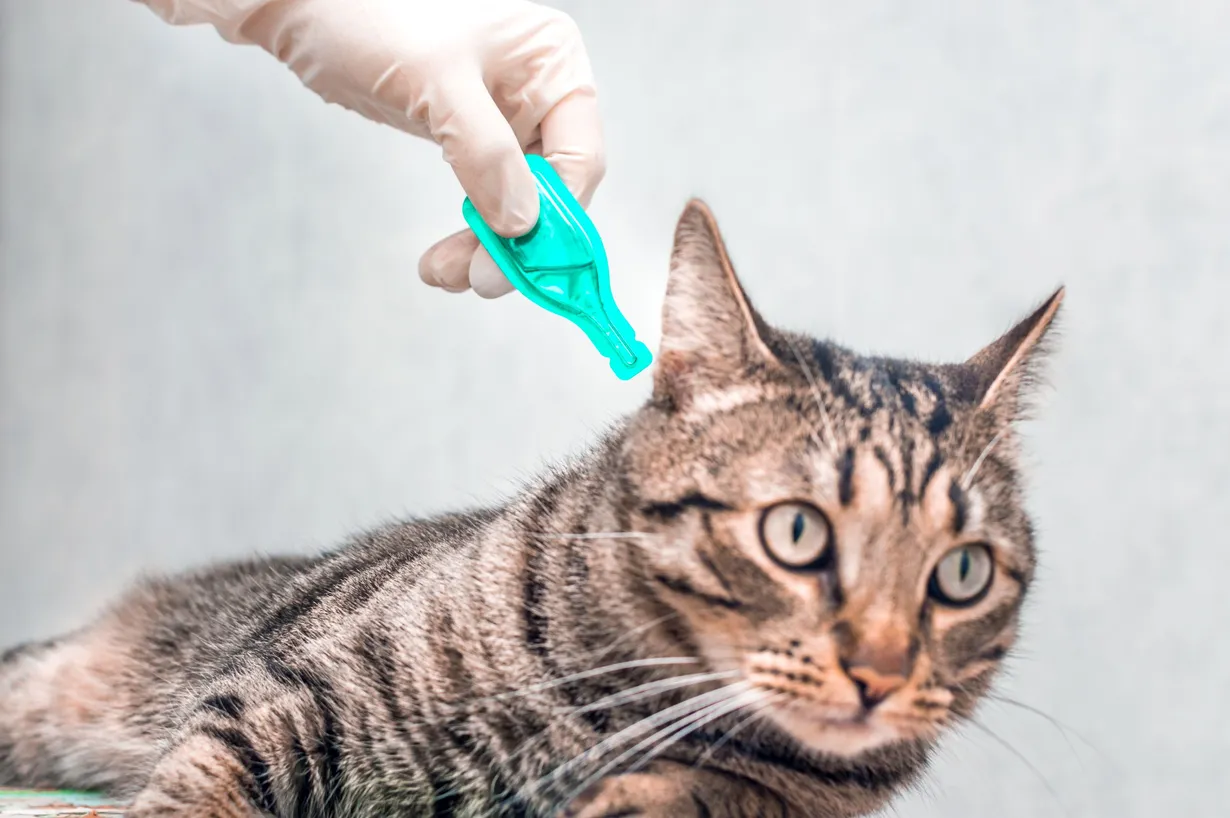
Treatment depends on the type of parasite and the severity of infection. Oral medications are frequently prescribed for intestinal worms. These medications work by eliminating adult worms, and they are generally safe and effective. Topical treatments are often used for flea and tick control. They are applied directly to the skin, where the medication spreads across the body through natural oils.
Heartworm treatment is more complex. Infected dogs are treated with injectable medications that kill adult heartworms over time. Activity restriction is required during treatment, since complications can occur if the worms break apart too quickly.
What to Expect During and After Treatment
Most pets tolerate parasite treatments well. Mild side effects such as vomiting, diarrhea, or temporary lethargy can occur. These reactions are usually short lived. If severe symptoms develop, veterinary care should be sought immediately. Follow-up testing may be recommended to confirm that the parasites have been eliminated. For heartworm disease, repeat blood tests are performed several months after treatment. Prevention plays a critical role in ongoing health. Monthly preventives are easy to use, and they protect against multiple parasites at once.
The Importance of Parasite Prevention in Grand Prairie, TX
Parasite prevention is available at Parkway Animal Hospital. Our team provides customized prevention plans based on your pet’s lifestyle and health history. With regular exams and preventive medications, serious infections can often be avoided. To learn more or schedule an appointment, call our office at (972) 263-7277. Parkway Animal Hospital in Grand Prairie, TX is here to support your pet’s well being at every stage of life.